
Introduction
Adding an Addition to Your Home: A Comprehensive Guide
A home addition is an excellent way to increase living space, improve functionality, and add value to your property. Whether you need an extra bedroom, a larger kitchen, or a home office, a well-planned home addition can be a game-changer. However, such a project requires careful planning, budgeting, and adherence to zoning regulations. In this comprehensive guide, we will explore the key factors involved in planning a home addition, including zoning laws, cost considerations, design elements, and other crucial aspects.
Planning Your Home Addition
Before embarking on a home addition, thorough planning is essential. Here are the key steps to consider:
1. Define Your Goals
- Identify the purpose of the home addition.
- Consider how it will enhance your daily living.
- Think about future needs and resale value.
2. Establish a Budget
- Research material and labor costs.
- Get quotes from contractors and architects.
- Factor in permits, inspections, and unexpected expenses.
3. Choose the Right Contractor
- Look for licensed and experienced professionals.
- Check references and past projects.
- Obtain multiple quotes and compare services.
4. Obtain Necessary Permits
- Research local zoning laws and building codes.
- Apply for the required permits before construction begins.
- Schedule inspections as required by local authorities.
Understanding Zoning and Permits
Every municipality has specific zoning regulations governing home additions. Understanding these laws will prevent costly mistakes and delays.
1. Zoning Laws and Restrictions
- Verify property line setbacks and building height limits.
- Check for easements and restrictions.
- Ensure the addition complies with Homeowners Association (HOA) rules (if applicable).
2. Permit Requirements
- Submit detailed architectural plans for approval.
- Pay necessary fees and schedule inspections.
- Keep records of permits and approvals for future reference.
Cost Considerations for a Home Addition
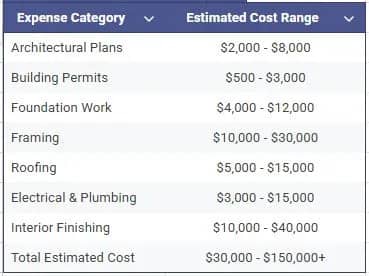
The cost of a home addition varies based on factors such as size, complexity, materials, and labor.
1. Average Cost Breakdown
2. Cost-Saving Tips
- Choose cost-effective yet durable materials.
- Consider a simple design to minimize complexity.
- Do some of the work yourself, such as painting or landscaping.
Design Considerations for a Home Addition
Creating a seamless and functional design is critical to ensuring the success of your home addition.
1. Architectural Harmony
- Match the existing exterior and interior style.
- Use similar materials and design elements.
- Work with an architect to achieve a cohesive look.
2. Maximizing Space and Functionality
- Optimize the layout to enhance flow and usability.
- Incorporate energy-efficient windows and insulation.
- Plan for adequate lighting and ventilation.
3. Sustainable and Energy-Efficient Options
- Consider solar panels and energy-efficient appliances.
- Use eco-friendly building materials.
- Install proper insulation to reduce energy consumption.
Construction Process and Timeline
Once planning, budgeting, and permitting are complete, construction can begin. Here’s what to expect:
1. Site Preparation
- Clear the area and prepare the foundation.
- Ensure utilities (gas, water, and electricity) are accessible.
2. Framing and Structural Work
- Build the foundation and framework.
- Install roofing and exterior walls.
3. Plumbing and Electrical Installation
- Run new wiring and plumbing lines.
- Install HVAC systems as needed.
4. Interior Finishing
- Hang drywall and apply paint.
- Install flooring, cabinetry, and fixtures.
- Complete final touches such as trim and moldings.
Final Inspections and Moving In
Before enjoying your new space, ensure all final inspections are completed.
1. Schedule Inspections
- Have electrical, plumbing, and structural work inspected.
- Obtain a final certificate of occupancy if required.
2. Furnishing and Decorating
- Choose furniture and decor that complement the new space.
- Ensure proper functionality and comfort.
Conclusion
A home addition is a major investment that can significantly improve your living space and increase property value. By carefully planning, understanding zoning regulations, managing costs, and focusing on design, you can ensure a successful and rewarding home remodeling project. Whether adding a new bedroom, expanding the kitchen, or building a sunroom, a well-executed home addition will enhance both the functionality and aesthetics of your home.