
Key Indicators It’s Time for a Replacement
Your roof is one of the most critical components of your home. It protects you from the elements, insulates your space, and adds to your home’s overall curb appeal. However, like any part of your house, your roof has a lifespan, and there will come a time when repairs won’t be enough to keep it in good condition. Knowing when to replace your roof can save you from costly damage and ensure your home remains a safe and comfortable place to live.
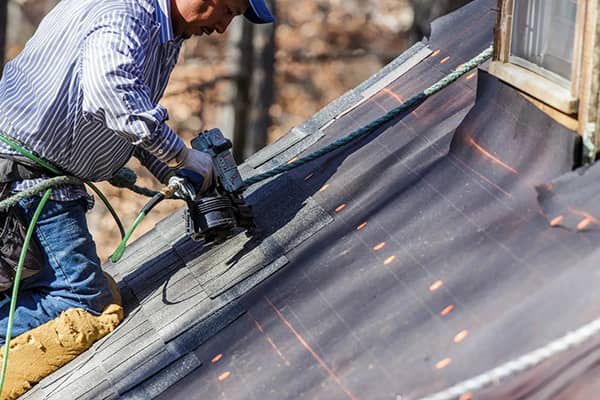
In this guide, we’ll cover the key signs that indicate it might be time for a roof replacement, how different roofing materials age, and when to consult a professional.
1. Age of Your Roof
One of the first things to consider when determining if you need a new roof is its age. Different roofing materials have varying lifespans:
- Asphalt shingles: 20-30 years
- Wood shingles or shakes: 25-40 years
- Metal roofing: 40-70 years
- Clay or concrete tiles: 50-100 years
- Slate roofing: 75-200 years
If your roof is approaching the end of its expected lifespan, it’s wise to start planning for a replacement, even if there aren’t immediate signs of failure. Preventative replacement can help you avoid emergency repairs or interior water damage.
2. Visible Roof Damage
Inspecting your roof for visible signs of damage can help you determine its condition. Some common issues include:
- Missing or cracked shingles: Shingles that are curling, cracked, or completely missing indicate wear and tear.
- Granule loss: If you notice bald spots on your shingles or excessive granules in your gutters, it could mean your shingles are deteriorating.
- Moss and algae growth: While some moss or algae growth can be removed, excessive growth may indicate moisture retention, leading to rot and structural issues.
- Sagging areas: A sagging roof could indicate severe structural damage, often caused by prolonged water exposure or foundational issues.
3. Frequent Leaks and Water Damage
A leaking roof is a clear sign that something is wrong. While minor leaks can often be repaired, repeated leaks or extensive water damage may mean a full replacement is necessary.
Check for these signs of water intrusion:
- Water stains on ceilings or walls
- Mold or mildew growth inside your home
- Peeling paint or wallpaper
- Soft or rotting wood in your attic
If leaks persist despite repairs, your roof’s underlayment or decking may be compromised, requiring a full replacement.
4. Increased Energy Bills
Your roof plays a significant role in your home’s insulation and energy efficiency. If you’ve noticed an increase in heating and cooling costs, your roof may not be insulating your home properly.
Signs that your roof is affecting your energy efficiency include:
- Drafty or fluctuating indoor temperatures
- Overworked HVAC systems
- Poor attic ventilation
Upgrading to a modern, energy-efficient roofing system can help regulate indoor temperatures and lower your utility bills.
5. Structural Issues in the Attic
Your attic can provide valuable insights into your roof’s condition. Perform a visual inspection and look for:
- Sunlight shining through: If light is visible through the roof boards, water and debris can also enter.
- Moisture buildup: Condensation or damp insulation can indicate poor ventilation and potential roof failure.
- Rotting wood: Soft, sagging, or discolored wood is a sign of prolonged water damage.
If you notice any of these issues, it’s a good idea to call a roofing professional to assess the damage.
6. Storm or Weather Damage
Severe weather conditions such as heavy storms, hail, strong winds, and extreme temperature fluctuations can take a toll on your roof. After a major weather event, inspect your roof for signs of damage:
- Dents or cracks from hail
- Lifted or missing shingles due to high winds
- Water pooling in low areas
Even if the damage isn’t immediately visible, a professional roof inspection can help identify underlying problems before they worsen.
7. Roof Decking or Underlayment Deterioration
The underlayment and decking of your roof provide essential support and protection. If these layers become compromised, it can lead to significant issues.
Signs of underlayment or decking problems include:
- Soft or spongy spots when walking on the roof
- Visible sagging between rafters
- Water stains or mold growth underneath the roof deck
A deteriorated underlayment often means a complete roof replacement is necessary to maintain structural integrity.
8. Your Neighbors Are Replacing Their Roofs
If homes in your neighborhood are undergoing roof replacements, it could be a sign that your roof is also nearing the end of its lifespan. Houses built around the same time experience similar wear and tear, especially if they’ve been exposed to the same weather conditions.
9. Worn-Out Flashing and Chimney Seals
Flashing around chimneys, vents, skylights, and valleys directs water away from vulnerable areas. Over time, flashing can deteriorate, leading to leaks.
Look for:
- Cracked or missing flashing
- Rust or corrosion on metal flashing
- Gaps or loose seals around roof penetrations
If your flashing is in poor condition, it may indicate the need for roof repairs or a full replacement.
10. Aesthetic and Curb Appeal Decline
Aging roofs can make your home look outdated and neglected. If your roof appears worn, faded, or damaged, replacing it can enhance your home’s appearance and increase its value.
Signs that your roof is impacting curb appeal include:
- Discoloration or uneven coloration
- Missing or curled shingles
- Moss or algae growth
A new roof not only improves aesthetics but also boosts resale value if you’re considering selling your home.
When to Call a Professional Roofer
If you’ve noticed any of the signs mentioned above, it’s best to consult a roofing professional for an inspection. A qualified roofer can assess your roof’s condition, provide repair or replacement recommendations, and offer cost estimates.
Final Thoughts
Your roof is an essential part of your home’s structure and protection. Ignoring signs of wear and tear can lead to costly repairs and extensive damage. By staying proactive and recognizing when it’s time for a replacement, you can protect your home, improve energy efficiency, and maintain property value.
If you suspect your roof needs replacing, don’t wait until major issues arise. Contact a trusted roofing professional to evaluate your roof and help you make an informed decision. Investing in a new roof today can save you from bigger headaches down the road.