
Intro: Your roof is your home’s first line of defense against Southeast Texas weather. Over time, wear and tear – intensified by our Gulf Coast heat, humidity, storms, and hurricanes – can take a toll on any roof in Jefferson, Orange, or Hardin counties. The big question for homeowners in places like Beaumont, Nederland, and Orange is: how do you know when your roof needs professional attention? In this article, we’ll cover the 10 Warning Signs Your Southeast Texas Roof Needs Replacement. Spotting these issues early can save you money, protect your home, and give you peace of mind in our storm-prone region.
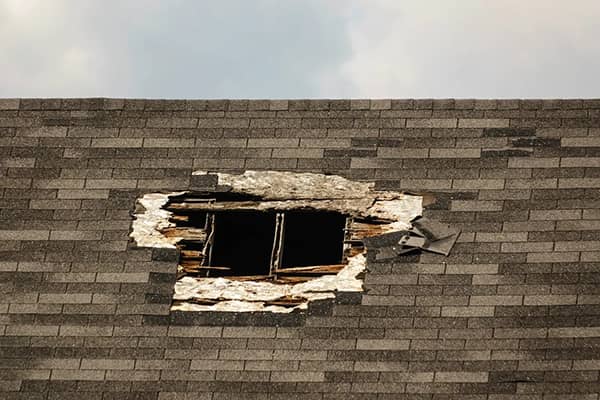
1. Missing or Damaged Shingles
One of the most obvious signs is missing shingles. After a windstorm or hurricane brush-by, you might spot gaps on your roof where shingles used to be. Similarly, cracked, curled, or torn shingles indicate damage. In our hot climate, the sun can bake shingles, causing them to warp or become brittle. Why it matters: Missing or damaged shingles expose the underlying roof deck to water intrusion, leading to leaks and rot. If you notice shingle pieces in your yard (common after storms in Bridge City or Port Neches), it’s time for an inspection. Promptly replace damaged shingles to maintain a watertight roof.
2. Granules in Gutters or Around Downspouts
Asphalt shingles have a gritty, sand-like coating of granules. These granules protect shingles from UV rays and improve fire resistance. If you clean your gutters and find excessive granules (like black sand), that’s a red flag. Granule loss often appears as bald spots on shingles or a uniform “washed-out” look. In Southeast Texas, heavy rains or hailstorms can knock granules loose. Takeaway: Some granule loss is normal as a roof ages, but lots of granules in gutters, especially if your roof is under 15 years old, could signal shingle deterioration. Your roof might be nearing the end of its life or defective. Consider having a pro assess whether you need a roof repair or replacement.
3. Water Stains on Ceilings or Walls
Notice a yellowish-brown stain spreading on your ceiling? That’s often a tell-tale sign of a roof leak. Leaks can stem from various issues – a puncture in the roof, failed flashing, or backed-up gutters – and they often first show up as ceiling or wall stains. In our area, intense thunderstorms can exploit even tiny weaknesses in your roof’s defense. Action: Don’t ignore these stains! Even if they dry up (perhaps the leak is intermittent, only when rain is wind-driven), you should investigate. Water damage can lead to mold growth (a big concern in humid Southeast Texas) and structural issues. A roofing expert can trace the leak source and fix it before the problem worsens.
4. Sagging or Uneven Roof Deck
A sagging roofline (where parts of your roof appear to dip or buckle inward) is a serious concern. This often indicates structural issues like rot or damage in the decking or trusses. Heavy water intrusion over time (perhaps from an unnoticed leak or poor attic ventilation trapping moisture) can weaken wood. Another cause could be the weight of the roofing material – for instance, if heavy shingles or tiles were added without proper reinforcement. Local note: Homes in Beaumont and Lumberton that suffered hurricane damage and got quick fixes might experience this if underlying structures weren’t fully repaired. If you see sagging sections or warping when looking along your roofline, call a roofer immediately. Structural repairs and possibly a roof replacement may be needed to ensure safety.
5. Cracked or Damaged Flashing
Flashing refers to thin metal strips installed at seams and joints – around chimneys, vent pipes, skylights, and where roof planes meet walls (like a dormer). Intact flashing prevents water from seeping in at these critical junctures. If flashing is bent, rusted, or missing, water can easily penetrate. Over time, Texas heat can cause sealants around flashing to dry and crack. Storm winds might loosen flashing too. For example, after a tropical storm in Orange, you might find a piece of metal flashing in your yard. Tip: Regularly check visible flashing (especially around chimneys) or have a roofer do it during an annual inspection. Fixing flashing issues is usually straightforward but absolutely vital to stop leaks.
6. Mold, Mildew, or Rot in the Attic
Head up to your attic on occasion (choose a cooler morning, as attics here get hot!) and sniff around. A musty smell, or worse, visible mold, mildew, or rotted wood, often indicates a moisture problem. Look at the underside of the roof decking for dark stains or soft spots. In Southeast Texas, high humidity can accentuate any small roof leak, keeping wood damp enough to grow mold. Also, check your attic insulation – if it’s damp or clumping, water may be getting in. Why this matters: Beyond structural damage, mold can affect indoor air quality and health. If your attic has these issues, it’s likely your roof has a leak or ventilation problem that needs addressing. Both roof repairs and improved attic ventilation might be in order.
7. Higher Energy Bills (Roofing & Ventilation Issues)
Did your summer electric bill jump unexpectedly for your Orange or Beaumont home? While many factors affect energy use, a failing roof can be one. Poor ventilation in the attic (linked to your roofing system’s design) can trap hot air, making your AC work overtime. Or, if your roof’s insulation got wet from a leak, its R-value drops and heat seeps in more easily. Moreover, dark, aging shingles lose reflective ability, absorbing more solar heat. Clue: If attic temperatures soar excessively or you notice the AC struggling, and other appliances/usage haven’t changed, your roof might be part of the problem. Consider a roof inspection focusing on ventilation, insulation, and perhaps adding radiant barriers or ridge vents to improve airflow. Sometimes, a roof upgrade to a “cool roof” material can pay off in energy savings here in Hardin and Jefferson counties.
8. Algae or Moss Growth on Shingles
Have you seen dark streaks or even green patches on roofs around Southeast Texas? That’s often algae or moss. Our humid, warm environment is ideal for these organisms to grow on shaded parts of roofs. Algae isn’t structurally harmful (it’s mostly a cosmetic issue – those black streaks), but moss is a concern. Moss can trap moisture against the roof surface and even lift shingles as it grows, leading to damage or leaks. If your Groves or Port Neches home has patches of spongy green moss on the roof, it’s time to act. Remedy: A gentle roof cleaning (by professionals, to avoid shingle damage) can remove algae/moss. Zinc or copper strips at the roof ridge can also help prevent growth – as rain washes over them, it creates an environment where moss and algae struggle to grow.
9. Daylight Through the Roof Boards
This is a straightforward check – if you go into your attic during daytime and see sunlight peeking through the roof boards, you’ve got gaps. Those gaps could be from missing shingles, deteriorated flashing, or even punctures in the roof (like from wind-blown debris or fallen tree limbs, which we see during hurricanes). Needless to say, if light can get in, so can water! Beaumont homes with old roofs sometimes have this issue near the eaves or ridges. Action: Don’t procrastinate on this one. Small holes can often be patched or shingles replaced relatively inexpensively. But if left, they’ll let water in and rot the decking, leading to a bigger (and costlier) repair. Plus, open gaps can invite pests (yes, even in the roof!) or impact your home’s insulation efficiency.
10. Age of the Roof & History of Repairs
Sometimes, the roof can look okay from the ground, but its age is the deciding factor. In Southeast Texas:
- Asphalt shingle roofs last around 20 years (3-tab) to 25-30 years (architectural) in ideal conditions. Our climate can push the lower end of that range.
- Metal roofs can go 50 years or more, tile roofs similarly long.
- Flat roofs (common on commercial buildings in Port Arthur) might need attention by 15-20 years.
If your roof is nearing the end of its expected life or has required multiple repairs in recent years (like chasing leaks every storm season), it’s likely time to consider a roof replacement. Rather than repeatedly fixing an old roof (which adds up in cost and risk), investing in a new roof can be more economical long-term. Plus, new roofing brings benefits like better energy efficiency and stronger materials that meet updated windstorm codes.
When to Repair vs. Replace: Making the Call
Not every issue means you need a whole new roof. Often, localized repairs can add years to your roof’s life:
- A few missing shingles or a small leak? Repairing or replacing that section is usually fine.
- Damaged flashing or a vent issue? Fix the component.
- Minor hail damage? Sometimes, that’s cosmetic and doesn’t require full replacement.
However, if you have widespread shingle wear, multiple leaks, or structural sagging – or the roof is just old – replacement is the safer bet. Consider the 20-20 rule: if >20% of your roof is damaged or compromised, and it’s over 20 years old, lean towards replacement.
Also, factor in insurance. After a major hailstorm or hurricane, your homeowner’s insurance might cover a new roof (minus your deductible) if the damage is severe. Always get a professional inspection and a written report; it helps with claims.
Proactive Roof Maintenance Tips (to Avoid Surprises)
To keep your Southeast Texas roof in top shape:
- Annual Inspections: Have a trusted local roofer inspect your roof at least once a year (fall or spring) and after major storms. This catches problems early.
- Gutter Cleaning: Clean gutters and downspouts at least twice a year. Clogged gutters can cause water to back up onto the roof edge, leading to rot or leaks.
- Trim Overhanging Trees: Our area has beautiful oaks and pines, but branches rubbing on your roof or heavy limbs falling in storms are a hazard. Keep trees trimmed clear of the roof.
- Attic Ventilation: Ensure your attic vents (soffit, ridge, gable) are unobstructed. Good airflow prevents moisture buildup and overheated shingles.
- Address Issues Promptly: If you see any of the 10 warning signs above, don’t wait. Small roofing problems can escalate quickly, especially with our weather.
Conclusion: Don’t Wait for a Drip in Your Living Room!
Your roof might not be something you think about daily – until it fails. By being aware of these warning signs, Southeast Texas homeowners can stay one step ahead of roofing troubles. Early detection and repair is the name of the game. A well-maintained roof means a dry, safe home and fewer surprises when the next Gulf storm rolls in.
If you’ve noticed any of these signs, or if you just want peace of mind, reach out to Streamline Renovations, Inc. We provide free roof inspections in Beaumont, Port Arthur, Orange, and surrounding areas. Our team can honestly advise whether you need a simple repair or if it’s time to start planning for a roof replacement. Your home is likely your biggest investment – protect it with a roof that’s up to the challenge! Remember, when it comes to roofs in Jefferson, Orange, or Hardin County, we’ve got you (literally) covered.